
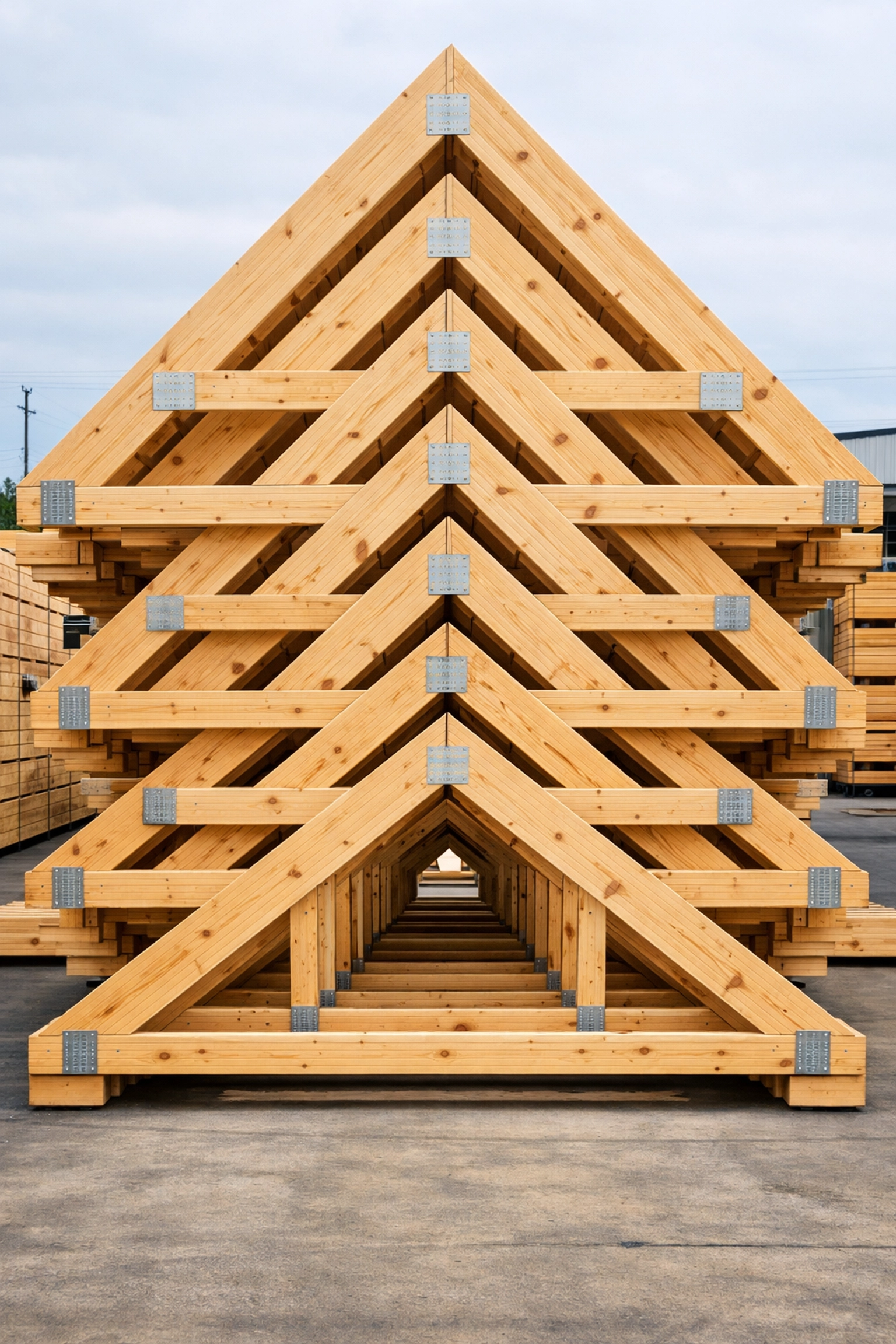
If you’ve spent any time driving past construction sites around the North Country lately, you’ve probably seen them: giant wooden triangles dangling from cranes or stacked neatly on trailers. They look like a giant game of Lincoln Logs gone pro. These are roof trusses, and if it feels like they are popping up on every new build from here to the border, it’s because they are.
At Johnston's Building Materials (and Smith Lumber, depending on which of our locations you’re visiting), we’ve seen a massive shift in how folks are framing their homes and pole barns. The days of "stick-framing" every single roof by hand are slowly moving into the rearview mirror. Whether you’re a pro contractor or a homeowner planning your dream garage, there’s a good reason everyone is talking about trusses.
Let’s dive into why these engineered marvels have become the gold standard for North Country construction and why you should consider them for your next project.
What Exactly Is a Roof Truss?
Before we get into the "why," let’s cover the "what." In the old days, builders used rafters. They’d haul individual pieces of lumber and building materials up to the top of the walls and cut each piece to fit, one by one. It was a craft, for sure, but it took a long time and left a lot of room for human error.
A roof truss is a pre-engineered structural framework. It uses a series of triangles to distribute the weight of the roof out to the exterior walls. Because triangles are the strongest shape in geometry, trusses can span much longer distances than traditional rafters without needing extra support beams in the middle of your house. They are built in a controlled factory environment using specialized software and heavy-duty metal connector plates. By the time they arrive at your job site, they are ready to be craned into place.
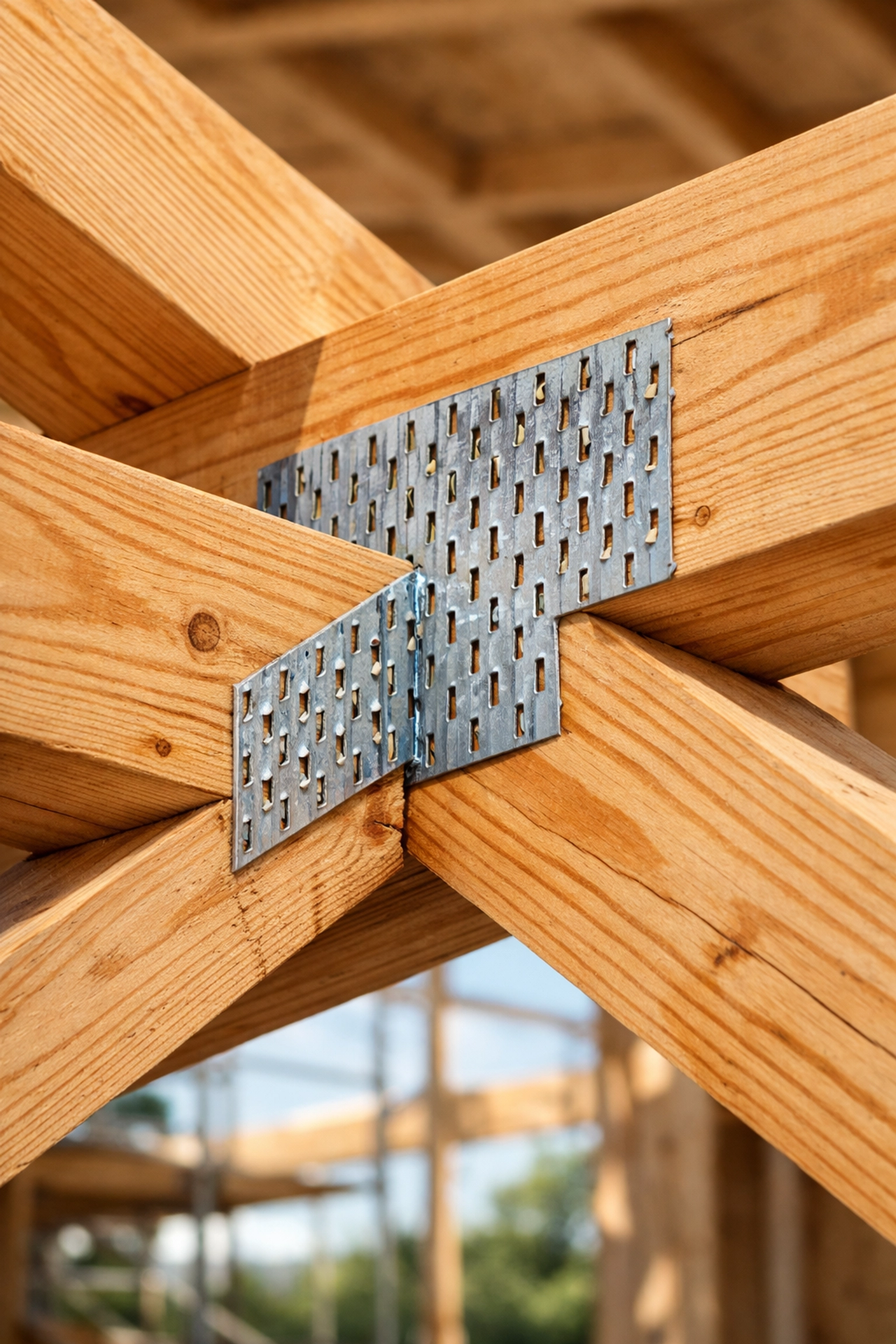
Built for the North Country Winter
If there is one thing we know in our neck of the woods, it’s snow. We don’t just get a dusting; we get the kind of heavy, wet snow that stays on your roof for months. This is where roof trusses really shine.
Because every truss is engineered by a computer specifically for your zip code, they are designed to handle the exact snow loads required by local building codes. When you order trusses through us, the engineers factor in the pitch of the roof, the type of roofing material you’re using, and the maximum expected snow weight for our specific region.
This precision gives you peace of mind that your roof isn't going to sag or fail when we get that mid-February blizzard. You get a level of structural integrity that is incredibly hard to match with hand-cut rafters.
Speed Is the Name of the Game
We all know that the building season in Northern New York can be short. Between the spring mud and the early winter freezes, every day on the job site counts. This is the biggest reason contractors are obsessed with trusses right now: speed.
Installing a truss roof is significantly faster than stick-framing. What might take a crew a week to frame by hand can often be accomplished in a single day with a crane and a set of trusses.
- Less Time Exposed to Weather: The faster the roof goes up, the faster the house is "dried in." This means your subfloors and wall framing aren't sitting out in the rain or snow for weeks.
- Lower Labor Costs: Even though the trusses themselves might cost more than a pile of loose 2x10s, you save a fortune on labor because the crew is done in a fraction of the time.
- Fewer Mistakes: Since the trusses are built to exact specs in a shop, you don’t have to worry about a "bad cut" on-site ruining a piece of expensive lumber.
Open Concepts and Design Freedom
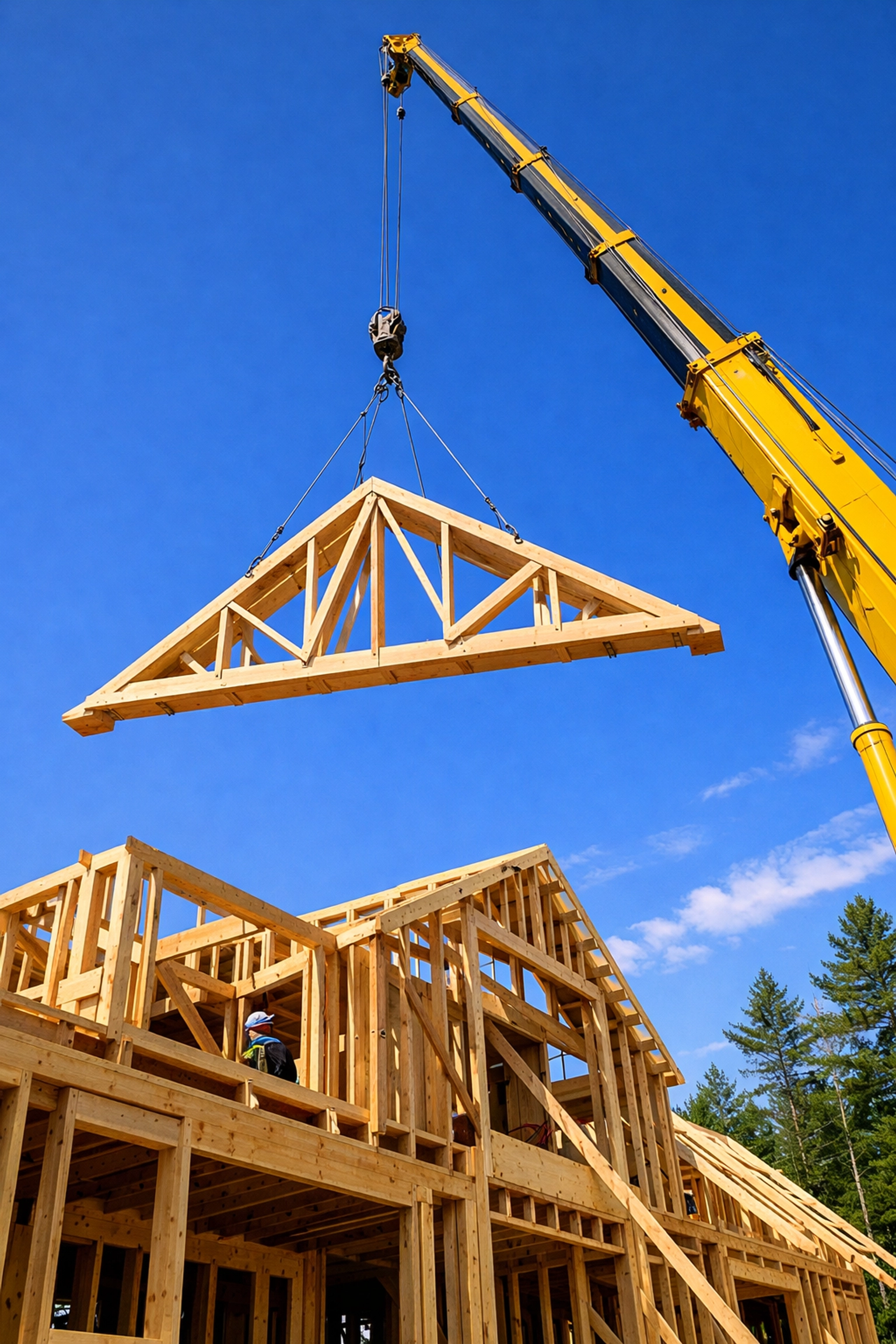
Have you ever walked into a modern home and noticed how the kitchen, dining room, and living room all flow together without any walls in the way? You can thank roof trusses for that.
Traditional framing often requires interior load-bearing walls to help hold up the weight of the roof. If you want a giant, open-concept living space, you’d normally need a massive (and expensive) steel or LVL beam to carry that load.
Trusses, however, are designed to span from exterior wall to exterior wall. This means the inside of your house is basically a blank canvas. You can put your interior walls wherever you want: or nowhere at all. This flexibility is a huge win for homeowners who want that airy, modern feel or for those looking to build a large garage package without poles getting in the way of their cars.
Less Waste, More Value
When you stick-frame a roof, you end up with a giant pile of "scraps": small pieces of lumber that you paid for but can't really use for anything else. That’s money literally going into the dumpster.
Trusses are built using optimized cutting programs that minimize waste. Since you’re buying a finished product, you only pay for what you actually use. Plus, because they are engineered to be efficient, they often use smaller dimensions of high-grade lumber placed exactly where the stress points are. It’s a smarter use of resources, which is better for your wallet and the environment.
Why Source Your Trusses Through Johnston's & Smith Lumber?
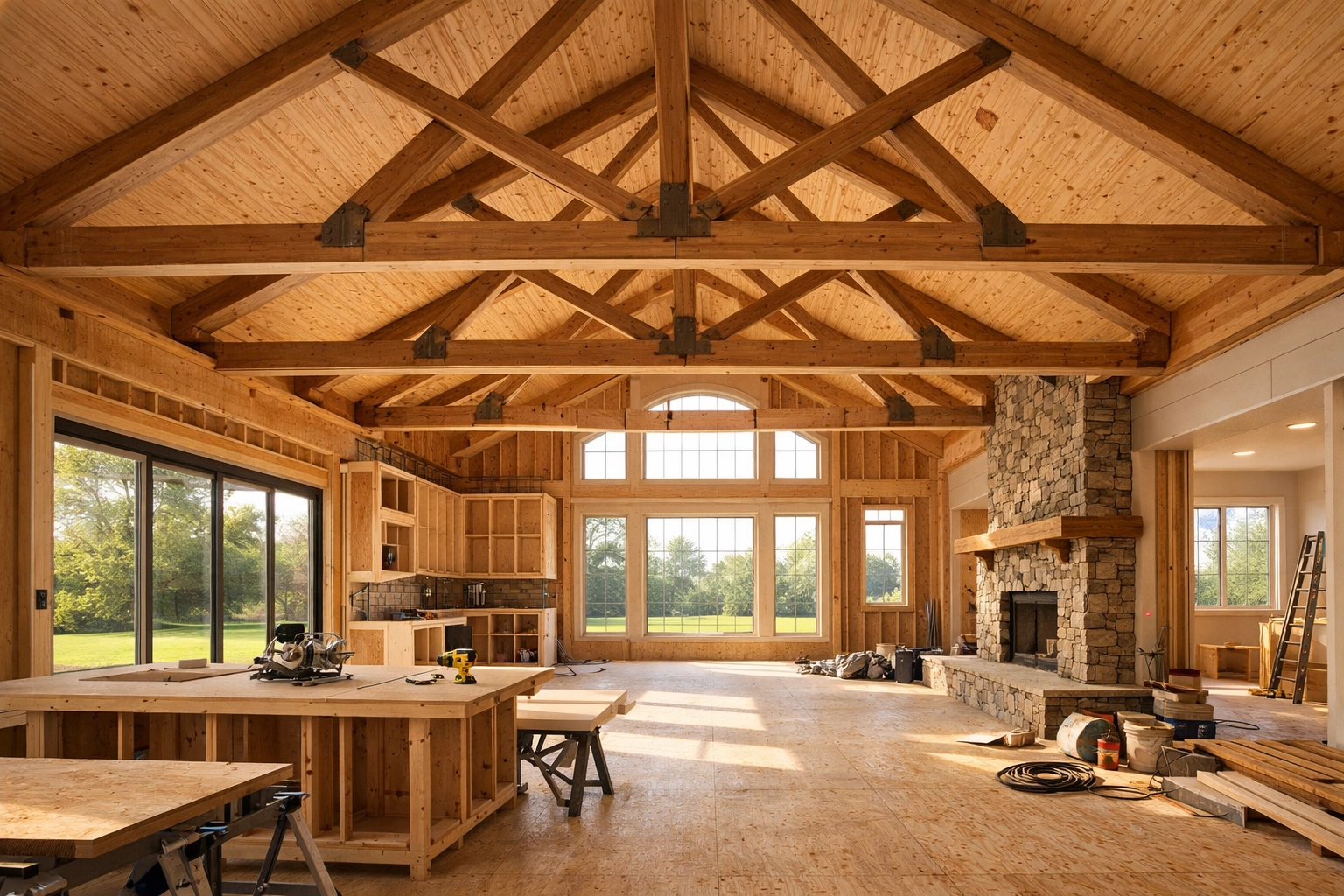
You could go to a big-box store and try to order trusses, but you’ll likely end up talking to someone who doesn't know a common truss from a gambrel. At Johnston's Building Materials and Smith Lumber, we live and breathe this stuff.
Local Expertise
We know the North Country. We know the local builders, the local inspectors, and most importantly, the local weather. When you come to us for a truss quote, we’re checking the details to make sure what you get is exactly what you need for your specific location.
Coordinating the Logistics
Getting trusses to a job site is half the battle. They are big, heavy, and awkward. We handle the logistics of getting them delivered right when your crew is ready for them. We work closely with our manufacturers to ensure the timing is right, so you aren't stuck with a pile of trusses sitting in the mud for three weeks before you're ready to set them.
Support for Every Step
Not sure what kind of truss you need? Whether it’s a standard "Fink" truss, a vaulted "Scissor" truss for a high ceiling, or an "Attic" truss to give you extra storage space, we can walk you through the options. We help bridge the gap between your blueprints and the final delivery.
How to Get Started
If you’re planning a build this year, don’t wait until the last minute to think about your roof. Trusses are in high demand, and lead times can fluctuate. The best time to start the conversation is while you’re still in the design phase.
Here is a quick checklist of what you’ll need to get a quote:
- Your Blueprints or Sketches: We need to know the dimensions of the building.
- Roof Pitch: How steep do you want the roof to be?
- Overhang Details: How far do you want the eaves to stick out?
- Special Loads: Are you planning on a metal roof? Shingles? Solar panels?
Once you have those basics, bring them in to see us. We’ll get them over to the engineering team and get you a price that includes delivery to your site.
Join the Conversation
Roof trusses are more than just a trend; they are a smarter way to build in a region that demands the best in structural performance. They save you time, they save you labor, and they give you a stronger house in the end.
If you want to see what our customers have been building lately with our materials, see what our customers have had to say. We’re proud to be a part of so many local projects, from small backyard sheds to massive custom homes.
Ready to talk about your project? We’re here to help! Whether you're in the early planning stages or you’ve got a foundation poured and you’re ready to frame, stop by one of our locations or contact us today. Let’s get that roof over your head the right way.
Stay Connected Join our community of local builders and DIYers by following us for more tips, deals, and project inspiration. We’ve been serving the North Country for a long time, and we’re not going anywhere. Let’s build something great together!